
Choosing the right domestic paper cup manufacturer can make a significant difference in product quality, supply reliability, customization, and overall packaging costs. For coffee shops, restaurants, beverage brands, distributors, catering companies, and foodservice businesses, working directly with a manufacturer can provide better control over the paper cup production process and supply chain.
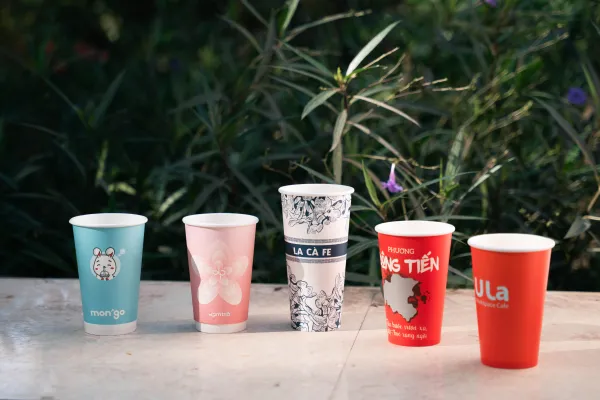
A domestic manufacturer can also make communication, product development, quality inspection, and order management easier, especially when businesses require customized paper cups for their brand.
However, not every paper cup supplier offers the same level of manufacturing capability. Buyers should evaluate materials, printing quality, production capacity, food-contact safety, customization options, minimum order quantities, lead times, and quality control before choosing a long-term manufacturing partner.
A domestic paper cup manufacturer is a company that produces paper cups within the target domestic market rather than simply importing finished cups from an overseas supplier.
A manufacturer may handle several stages of production, including:
Paperboard material sourcing
PE or water-based coating
Paper cup printing
Die cutting
Cup forming
Bottom sealing
Quality inspection
Packaging and shipment
Depending on the manufacturer's capabilities, businesses may order standard paper cups or develop custom paper cups with their own logo, colors, artwork, dimensions, and packaging requirements.
For buyers, understanding the difference between a manufacturer, trading company, distributor, and importer is important when evaluating suppliers.
Working directly with a domestic paper cup manufacturer can provide several practical advantages for businesses that need a stable supply of disposable beverage packaging.
Direct communication with a manufacturer can simplify discussions about cup sizes, artwork, materials, printing requirements, packaging, production schedules, and quality standards.
This is particularly useful for customized paper cups where small details can affect the final product.
Businesses launching a new beverage brand or updating their packaging may need samples and design adjustments before placing a larger order.
A manufacturer that can communicate directly with the buyer can make the sampling and approval process more efficient.
Domestic manufacturing can reduce some of the logistical complexity associated with international sourcing.
Businesses may have greater visibility into production schedules, order status, packaging requirements, and delivery arrangements.
When quality issues occur, working directly with a manufacturer can make it easier to identify the cause and implement corrective measures.
A professional manufacturer should have defined procedures for inspecting raw materials, printing, cup forming, sealing, dimensions, and finished products.
Many F&B businesses need packaging that reflects their brand identity rather than using generic cups.
A domestic paper cup manufacturer may offer customization such as:
Logo printing
Full-color artwork
Different cup sizes
Custom packaging
Different paperboard specifications
PE-coated or alternative coating options
Single-wall and double-wall cup structures
Choosing a manufacturer based only on price can create problems later. Buyers should evaluate the complete manufacturing and supply process.
Paper cups are used for beverages and therefore require materials suitable for their intended food-contact application.
Ask the manufacturer about the paperboard specification, coating system, material origin, and applicable food-contact requirements.
Material quality can influence cup strength, appearance, heat resistance, leakage performance, and printing quality.
Production capacity matters when a business needs regular or large-volume orders.
Ask potential suppliers about:
Production lines
Daily or monthly capacity
Standard production lead times
Peak-season capacity
Sampling capabilities
Quality-control procedures
A supplier should be able to explain how it manages both regular production and larger custom orders.
For branded paper cups, printing is an important part of the final product.
Good printing should provide consistent colors, clear logos, accurate artwork reproduction, and appropriate registration between design elements.
Before placing a large order, buyers should request samples or printed proofs to evaluate the finished appearance.
The manufacturing process needs to maintain consistent dimensions and reliable sealing.
Important quality considerations include:
Cup shape
Rim forming
Side seam integrity
Bottom sealing
Leakage resistance
Dimensional consistency
A well-manufactured cup should maintain its structure during normal use for the beverage application it was designed for.
Custom paper cups allow businesses to turn everyday beverage packaging into a branding tool.
A custom paper cup manufacturer can work with businesses to develop cups according to their specific requirements.
Common customization requirements include:
Different beverages require different cup capacities. Common applications include cups for:
Espresso
Coffee
Tea
Milk tea
Soft drinks
Juice
Smoothies
Takeaway beverages
The appropriate cup size depends on the beverage, filling volume, lid compatibility, and intended customer experience.
Businesses can provide their own artwork, logo, typography, colors, and brand guidelines.
The manufacturer should review the artwork before production to ensure that the design is suitable for the printing and forming process.
For businesses operating multiple locations or selling through distributors, customized outer packaging can also help maintain consistent brand presentation.
The material structure of a paper cup affects its performance.
Traditional disposable paper cups commonly use paperboard combined with a polymer coating to help provide resistance to liquids.
Depending on the application and manufacturing technology, buyers may also consider alternative coating solutions.
When evaluating materials, consider:
Beverage temperature
Liquid type
Expected usage time
Cup rigidity
Leakage resistance
Printing requirements
End-of-life considerations
For businesses pursuing more sustainable packaging solutions, material selection should be evaluated together with the complete packaging system rather than relying solely on a single environmental claim.
Minimum order quantity (MOQ) is an important consideration when choosing a paper cup manufacturer.
Large established brands may order high volumes, while smaller cafés and growing beverage businesses may require more flexible quantities.
Before ordering, ask the manufacturer about:
Minimum order quantity
Sample order availability
Production lead time
Artwork approval process
Printing setup requirements
Packaging quantities
Repeat-order lead times
Understanding these conditions before production can help businesses plan inventory and avoid unexpected delays.
Both domestic and overseas sourcing can have advantages depending on the buyer's requirements.
A domestic paper cup manufacturer may be more suitable when a business prioritizes communication, shorter supply chains, easier quality coordination, and flexible order management.
An overseas manufacturer may be attractive when buyers need very large production volumes, specific manufacturing capabilities, or access to particular materials and production technologies.
The right choice depends on total cost rather than the factory price alone.
Businesses should consider:
Product price
Shipping
Import costs
Lead time
Minimum order quantity
Quality-control costs
Inventory requirements
Communication
Supply reliability
The lowest quoted unit price does not necessarily represent the lowest total procurement cost.
Sustainability has become increasingly important in food and beverage packaging.
Businesses looking for more sustainable paper cups should ask detailed questions about the materials and manufacturing process rather than relying only on general terms such as "eco-friendly."
Potential areas to evaluate include:
Paperboard sourcing
Coating technology
Renewable or responsibly sourced materials
Production efficiency
Packaging materials
Waste reduction
End-of-life options
For businesses developing a sustainability strategy, paper cups should be evaluated as part of the wider eco-friendly F&B packaging system.
Before selecting a supplier, create a clear specification for your project.
Consider the following checklist:
Define the required cup sizes.
Determine the beverage application.
Select the appropriate paperboard specification.
Decide whether custom printing is required.
Confirm the required coating.
Establish the expected order quantity.
Ask about MOQ and lead time.
Request samples.
Review printing and forming quality.
Confirm packaging and delivery requirements.
Discuss quality-control procedures.
Evaluate long-term supply capability.
A manufacturer that can provide clear answers across these areas is more likely to become a reliable long-term packaging partner.
For businesses searching for a reliable domestic paper cup manufacturer, PaperGCO can be considered as a manufacturing and packaging partner for customized paper cup requirements.
PaperGCO focuses on paper-based food and beverage packaging and can support businesses looking for solutions that combine functionality, branding, production requirements, and sustainability considerations.
Whether you are developing a new beverage brand, operating a coffee shop chain, supplying foodservice businesses, or looking for a stable paper cup supplier, discussing your specifications directly with the manufacturer can help identify the most appropriate product solution.
Explore PaperGCO's paper cup solutions and related packaging resources to understand available products, manufacturing considerations, and sustainable F&B packaging options.
Businesses looking for more information about paper cups and sustainable foodservice packaging can explore PaperGCO's related resources and product categories.
For broader information about paper cups, visit the Paper Cups resource.
For businesses interested in environmentally conscious food and beverage packaging, explore Eco-Friendly F&B Packaging.
If you are comparing different paper-based foodservice products, PaperGCO also provides information about Paper Bowls and Paper Straws.
A domestic paper cup manufacturer produces paper cups within the domestic market and may provide services such as paperboard sourcing, printing, cup forming, quality control, packaging, and order fulfillment.
A domestic manufacturer can offer easier communication, simpler supply-chain management, more convenient quality coordination, and potentially shorter delivery times compared with some overseas sourcing options.
Yes. Depending on the manufacturer's capabilities, custom paper cups can be produced with brand logos, colors, artwork, different sizes, and other packaging specifications.
Buyers should ask about paperboard specifications, coating, food-contact suitability, cup sizes, printing quality, MOQ, production capacity, lead time, quality control, packaging, and delivery requirements.
MOQ varies by manufacturer, cup specification, printing requirements, and production process. Buyers should confirm the minimum quantity directly with the manufacturer before ordering.
The environmental performance of a paper cup depends on its materials, coatings, manufacturing process, use, collection, and end-of-life management. Buyers should evaluate the complete packaging system rather than relying on a single "eco-friendly" claim.
PaperGCO can support businesses looking for customized paper cup and foodservice packaging solutions. Buyers can discuss cup sizes, artwork, materials, quantities, and other project requirements with the supplier.
Choosing the right domestic paper cup manufacturer involves more than comparing unit prices. Businesses should evaluate material quality, manufacturing capabilities, customization, printing, quality control, MOQ, lead time, supply reliability, and sustainability considerations.
For cafés, restaurants, beverage brands, distributors, and foodservice businesses, working with a capable manufacturer can create a more reliable packaging supply chain while providing greater control over product specifications and branding.
When evaluating suppliers, request samples, define your technical requirements clearly, and compare the total procurement cost rather than focusing only on the quoted price. A manufacturer that understands your product requirements and can provide consistent quality can become a valuable long-term packaging partner.




VNtech Group Joint Stock Company
ĐKKD: 0109896881 do sở KH&ĐT HÀ NỘI cấp ngày: 24/01/2022
Đăng ký lần đầu, ngày 24 tháng 01 năm 2022.
Connect